
01 Introduction
Why Magdalena Bay May Hold the Key to Shark Conservation
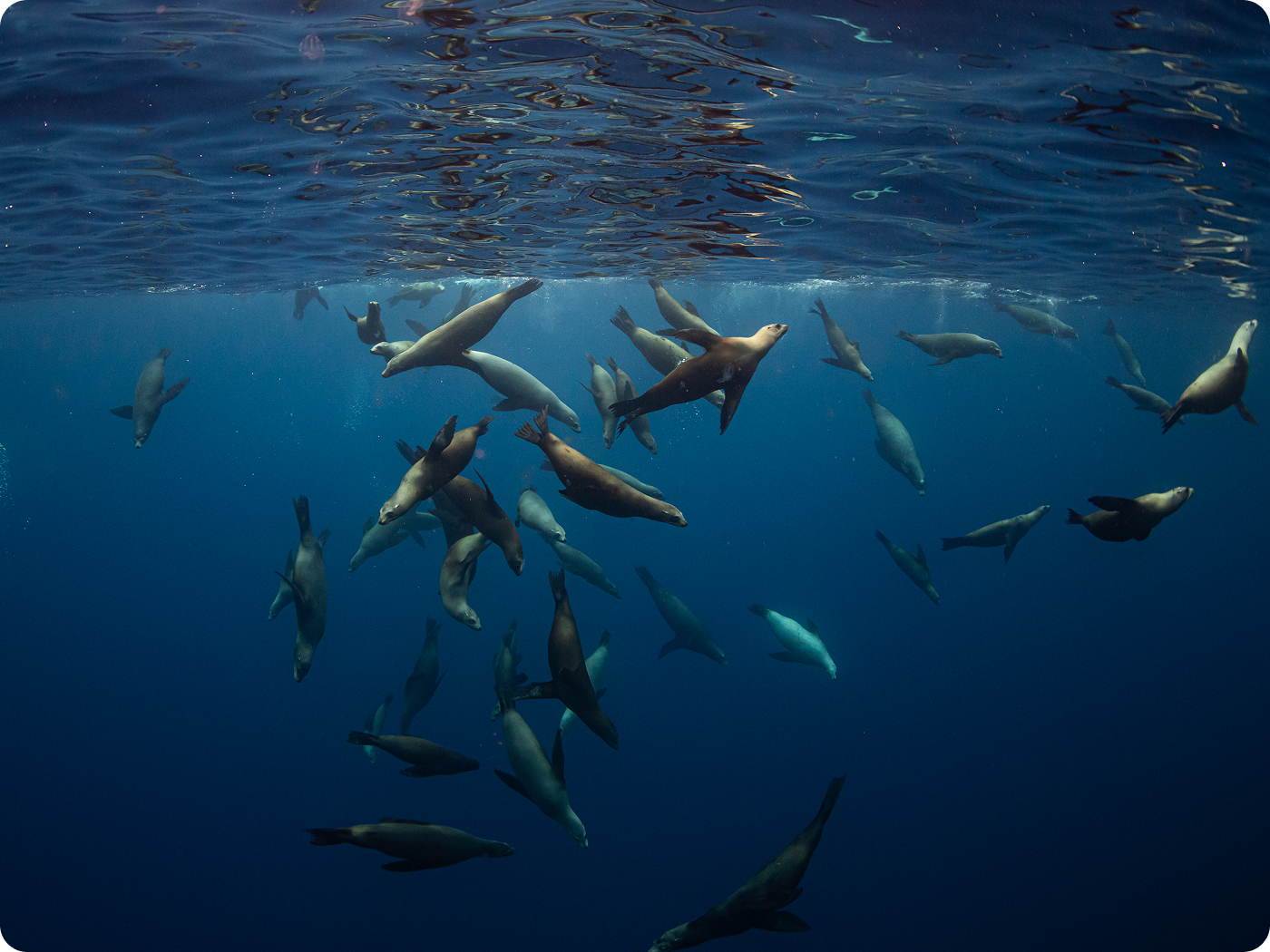
The status of shark populations in the Mexican Pacific is unknown. Evidence indicates heavy exploitation by fisheries in the Gulf of California. Furthermore, recent observations indicate that the decline in shark populations may be a consequence of fishing pressure in other places. Conservation issues regarding sharks represent a challenge since many are quite mobile and migrate beyond the boundaries of protected areas. An approach to the protection of shark stocks is the creation of marine reserves or no-take zones based on their movements. It is thus essential to design new marine reserves and to manage more effectively existing ones.
Although there is a lot of information about the use of Bahia Magdalena-Bahía Almejas (BMBA) lagoon as a nursery area of different species such as birds and whales, there is no information about the use of shark species of this suitable area as a nursery ground. The BMBA lagoon complex is an extremely productive and biologically diverse embayment on the Pacific coast of Baja California Sur, but at the same time it represents one of the most important fishing ports in the state. Hence, it is possible that this such large lagoon complex may harbor important shark nursery grounds of several different species.
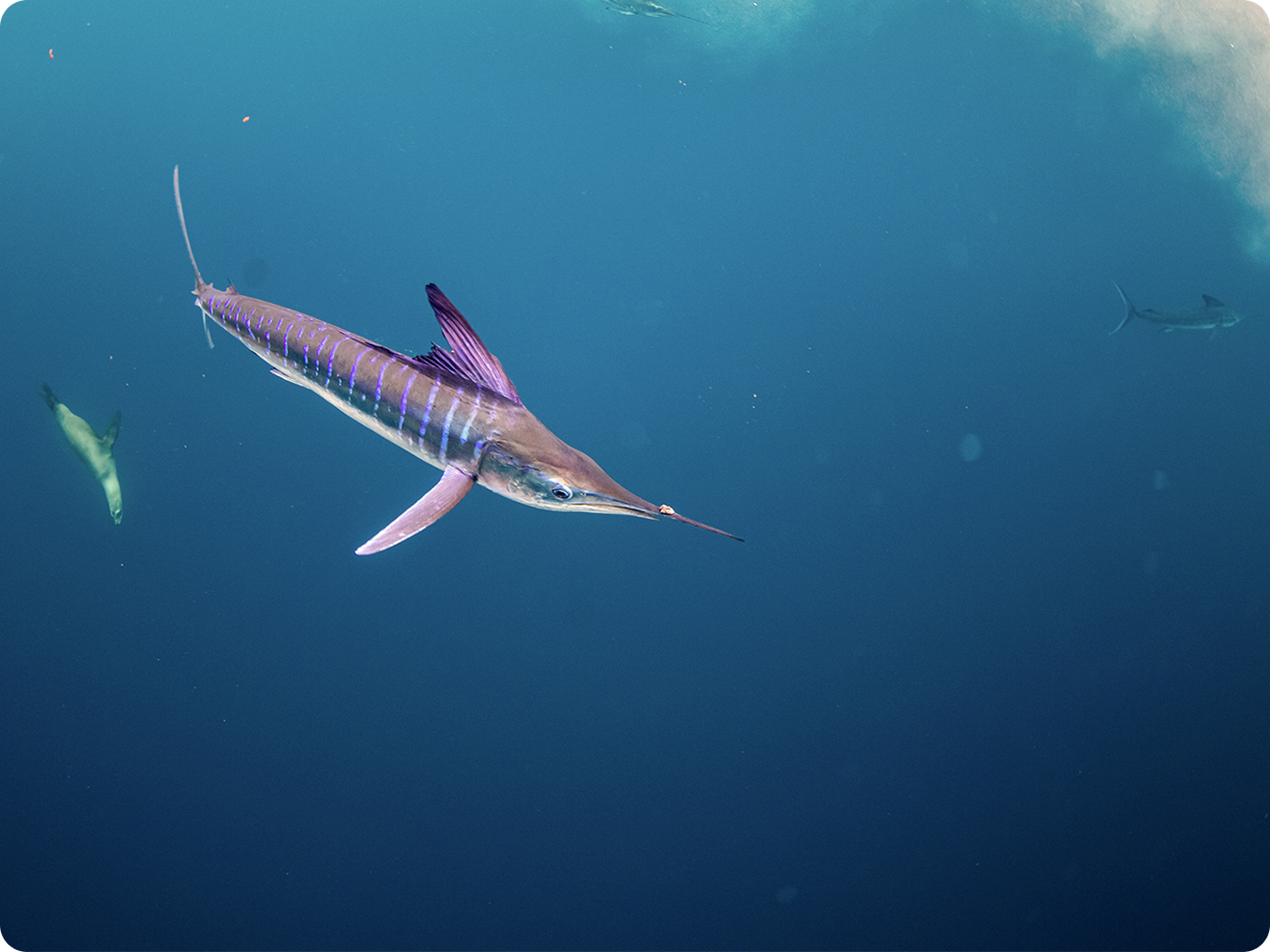
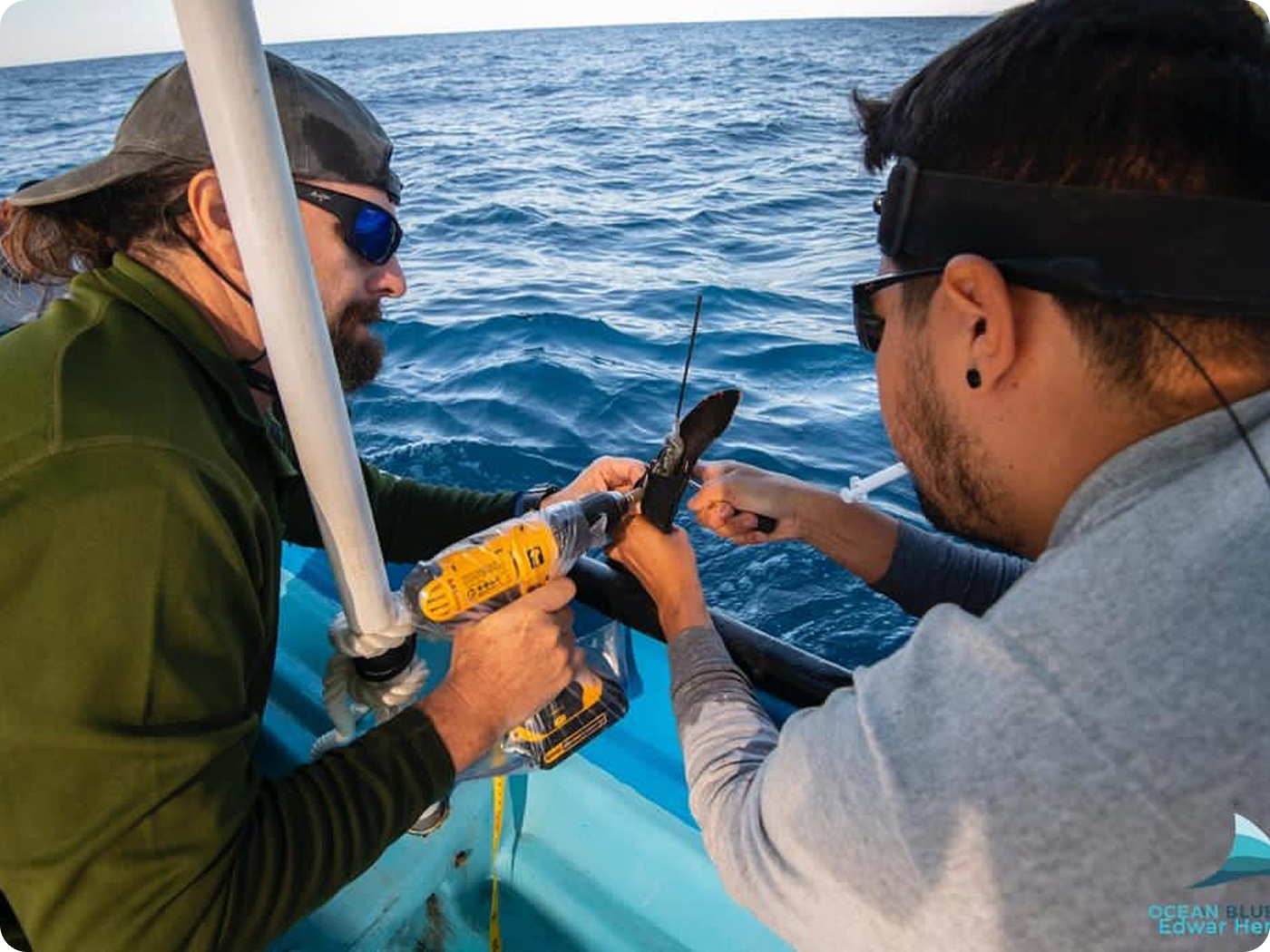
Pelagios Kakunjá aims to determine the spatial and habitat needs of sharks within and offshore of Magdalena Bay and, consequently, design new marine reserves for sharks and other pelagic species such as marlins on the Pacific side of Baja California Sur, and examine the possibility of creating fisheries refuges at specific areas, particularly inside the BMBA lagoon system. We propose a study to assess the relevance of Mag Bay as a shark sanctuary and to determine the connectivity between Mag Bay and other un-protected areas outside the bay (e.g. offshore seamounts, such as Thetis Bank, Petrel Pinnacle, Potato banks) to design corridors for conservation of sharks and marlins. Remove "of sharks on the Pacific side of Baja California Sur".

Magdalena Bay Research
Support shark conservation in marine nursery areas
02 Study area
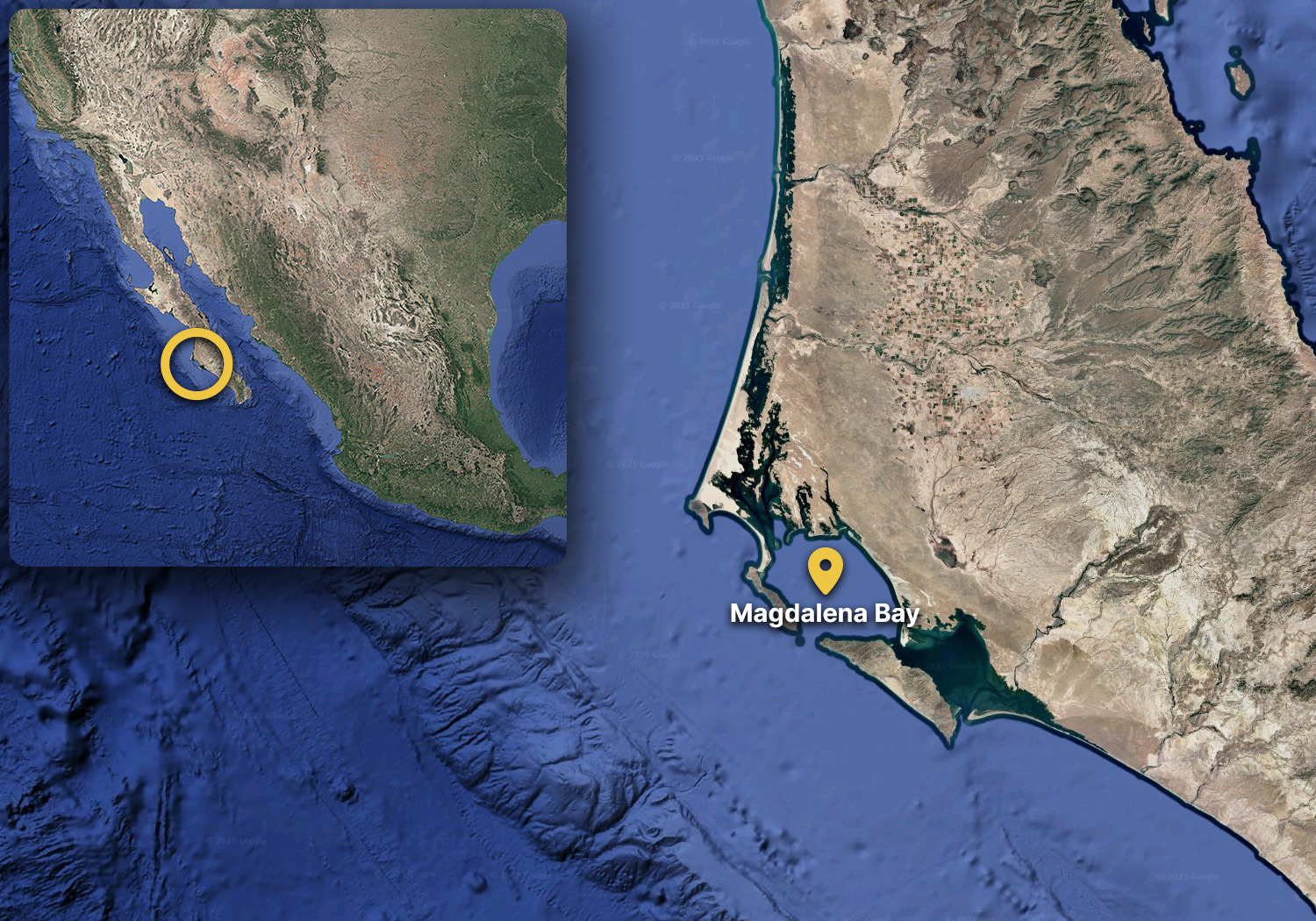
Bahía Magdalena is a shallow lagoon located on the western coast of Baja California Sur, between 24°15’ – 25°20’ N and 111°30’ – 112°12’ W.
It is part of the BMBA lagoon system. While most of the bay is accessible only by boat, the two main ports, Puerto Adolfo Lopez Mateos and Puerto San Carlos, are connected to Highway One by paved roads and are easily accessible. Comprised of 170,000 ha (1700 km2), the BMBA system can be divided into four main zones: north, central, south, and peripheral (i.e. the western coast of Isla Magdalena which includes Santa Maria Bay). Although environmental degradation and resource use conflicts are present to some degree throughout all four zones, the large expansive nature of the bay system causes the characteristics of these impacts to vary from zone to zone. Some areas (i.e. the central and northern zones) can be characterized by intensive resource use (e.g. ecotourism, commercial fishing, maritime traffic) and anthropogenic impacts (e.g. pollution, extensive gillnetting in mangrove channels). While other areas in the bay system (i.e. the southern and peripheral zones) are left relatively untouched due to their remoteness from populated areas. The middle part of the BMBA littoral is densely populated by mangroves mainly Rhizophora mangle and Avicennia germinans (black mangrove) bordering the coastline.
03 Science
Tracking Movements, Nurseries, and Populations for Conservation
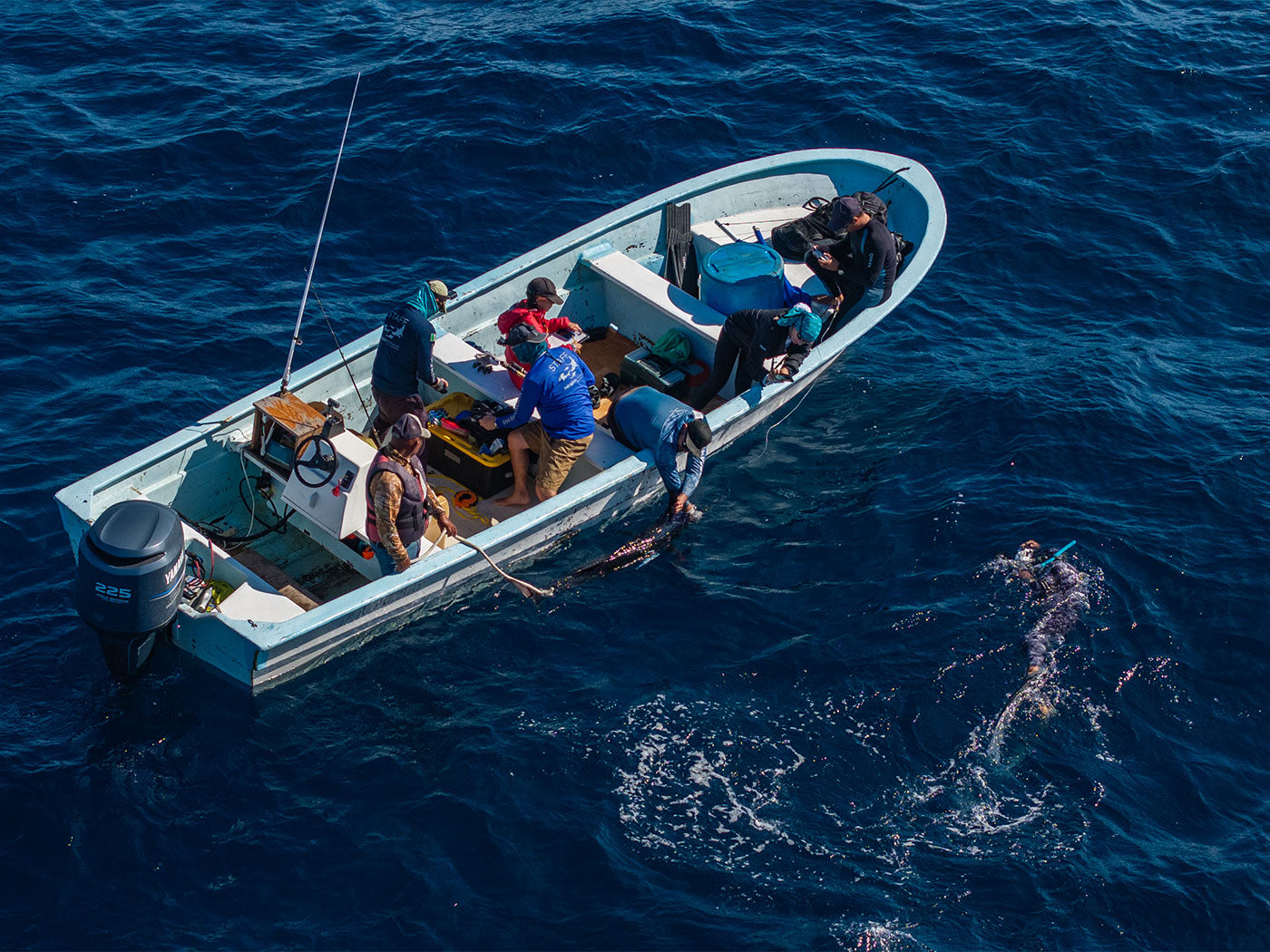
Movements of pelagic sharks and fish
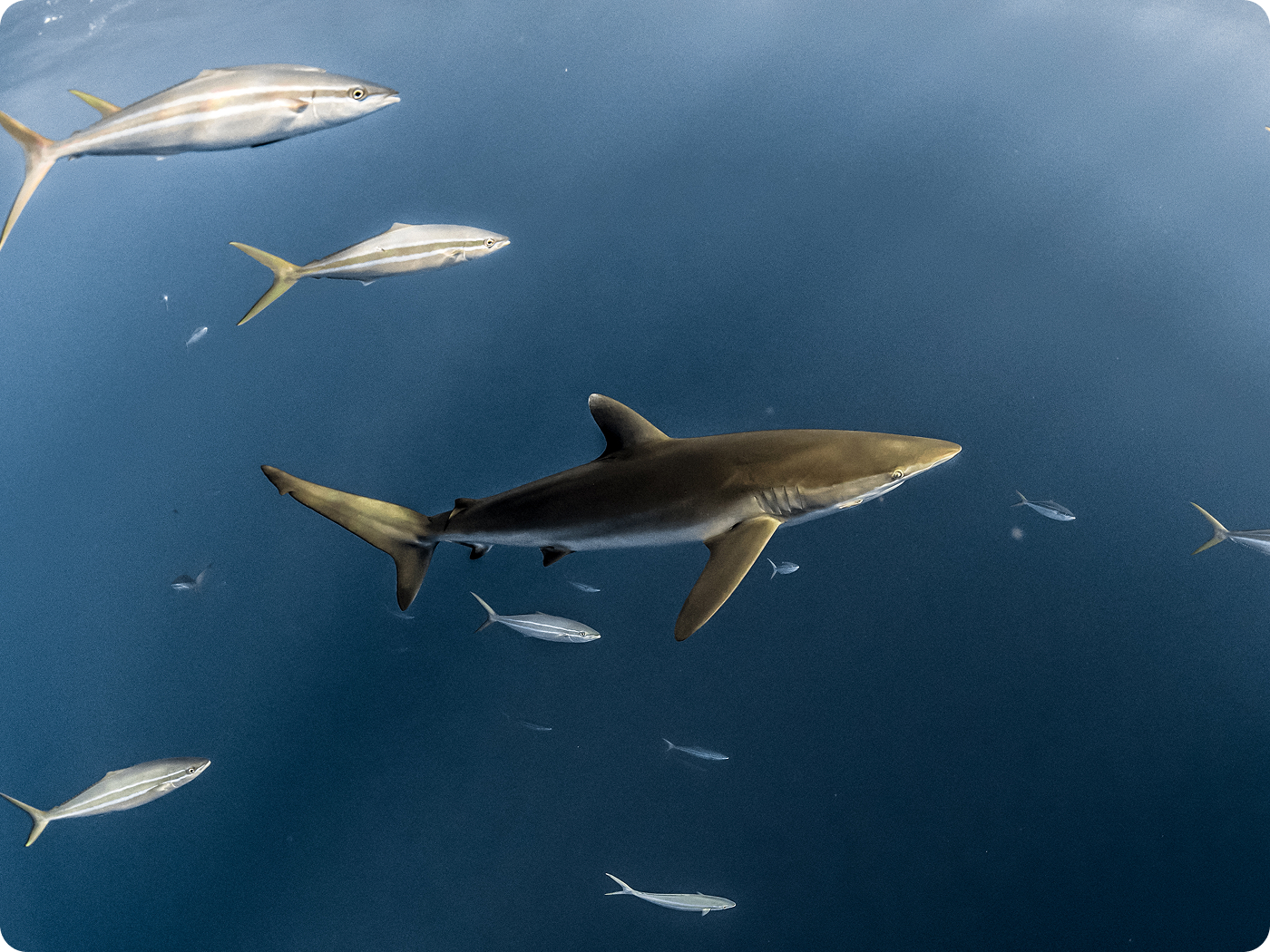
We examine the migration patterns and habitat preferences of pelagic sharks (e.g. silkies, mako, blue, hammerheads, whale sharks) and fish (e.g. striped marlin, yellowfin tuna) to support the creation of a protective zone for these species and other pelagic fauna off the west coast of Baja California Sur. We use acoustic and satellite transmitters and genetics to track sharks in large spatial scales. Some satellite transmitters are equipped with temperature and depth sensors to study vertical movements. We seek to (i) determine the connectivity of sharks between Mag Bay and other areas, (ii) obtain at least 30 satellite tracks of pelagic sharks and fish tagged off of Mag Bay, and iii) acquire the isotopic signatures and genetic evaluation of sharks and fish to examine their movements and connectivity from here to un-protected areas in Baja California Sur and the Mexican Pacific.
Shark nursery areas
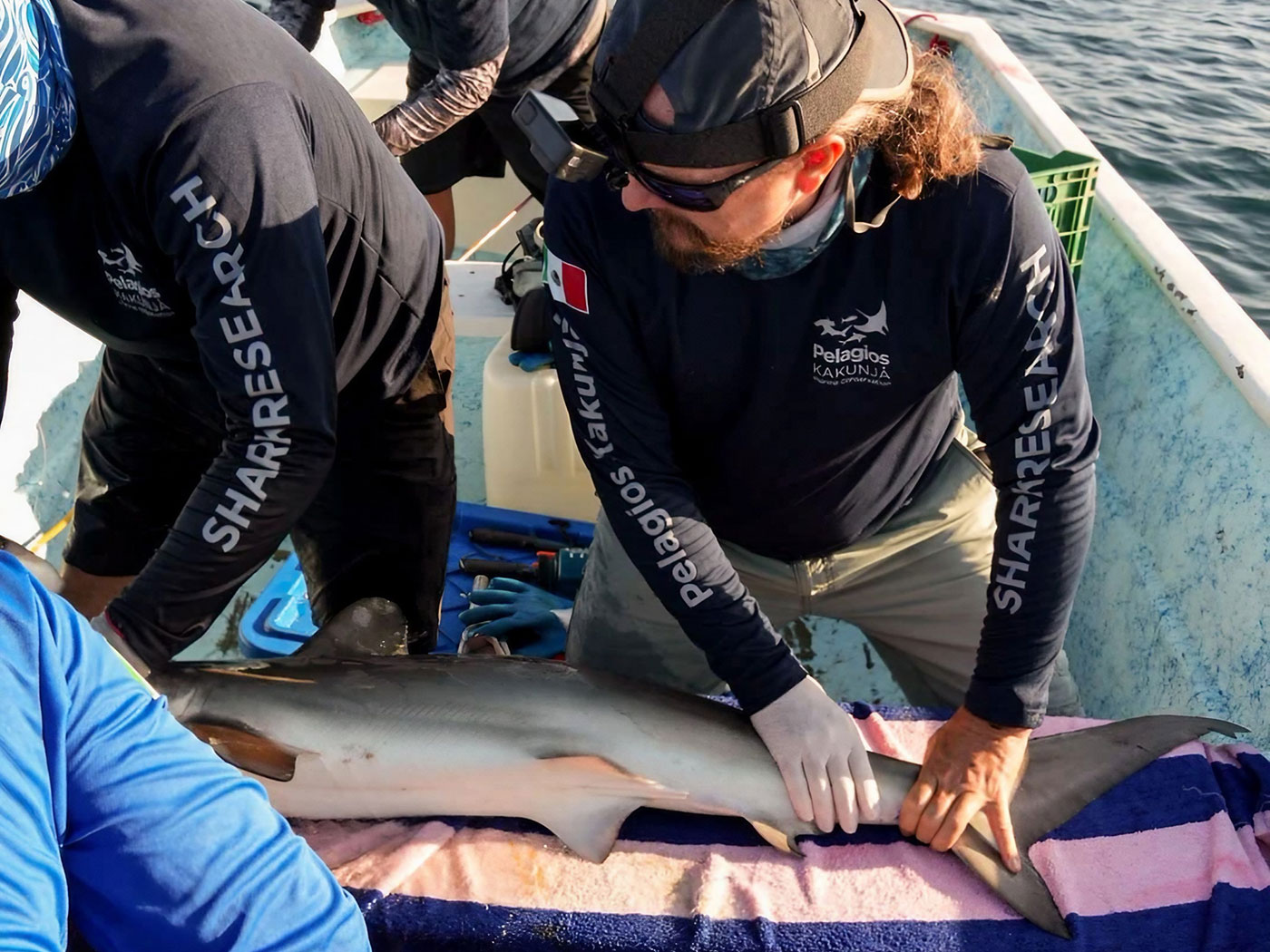
We are exploring the BMBA complex to find shark nursery areas. We are carrying out exploratory trips to López Mateos, Cabo San Lázaro, and San Carlos to gather information of existing and potential areas where fishers typically capture neonate sharks (potential shark nurseries). We are interviewing several fishers to obtain information on species, locations, extent of potential shark nurseries. Neonate smooth hammerhead (Sphyrna zygaena), blacktip (Carcharhinus limbatus) and other shark species identified that are using BMBA lagoons and inshore areas will be caught using hook and line and or a modified gill-net and brought on-board to be measured, sexed, and externally tagged with spaghetti tags (100 individuals), and internally tagged with V9 acoustic-coded transmitters (30 individuals). Tagged individuals will be monitored using an array of underwater receivers (Vemco, Ltd., VR2W) or listening stations deployed at different areas of the lagoon identified as important areas for neonate and juvenile distribution, based on the local fishermen's knowledge.
Abundance and diversity of sharks
Baited remote underwater video systems (BRUVS) will be deployed in different locations off the coast of Mag Bay as well as in BMBA lagoon system. BRUVS are increasingly utilized to assess the diversity and abundance of fish over time and space and to assess impact of anthropogenic activity and management and conservation strategies. Stereo-camera systems also provide relatively accurate estimates of individual body lengths and thus provide information related to fish population structure.
Take Action Today
 Donate
Our work is only possible with your support! Your donation will contribute to our shark research and conservation programs in Mexico
 Adopt
Adopt
Through the adopt a shark program, anyone can symbolically sponsor a shark for themselves, a loved one or together as a company, school group or university
 Donors
Recognizing the generous organizations whose continued support drives our shark conservation, research, and education initiatives forward